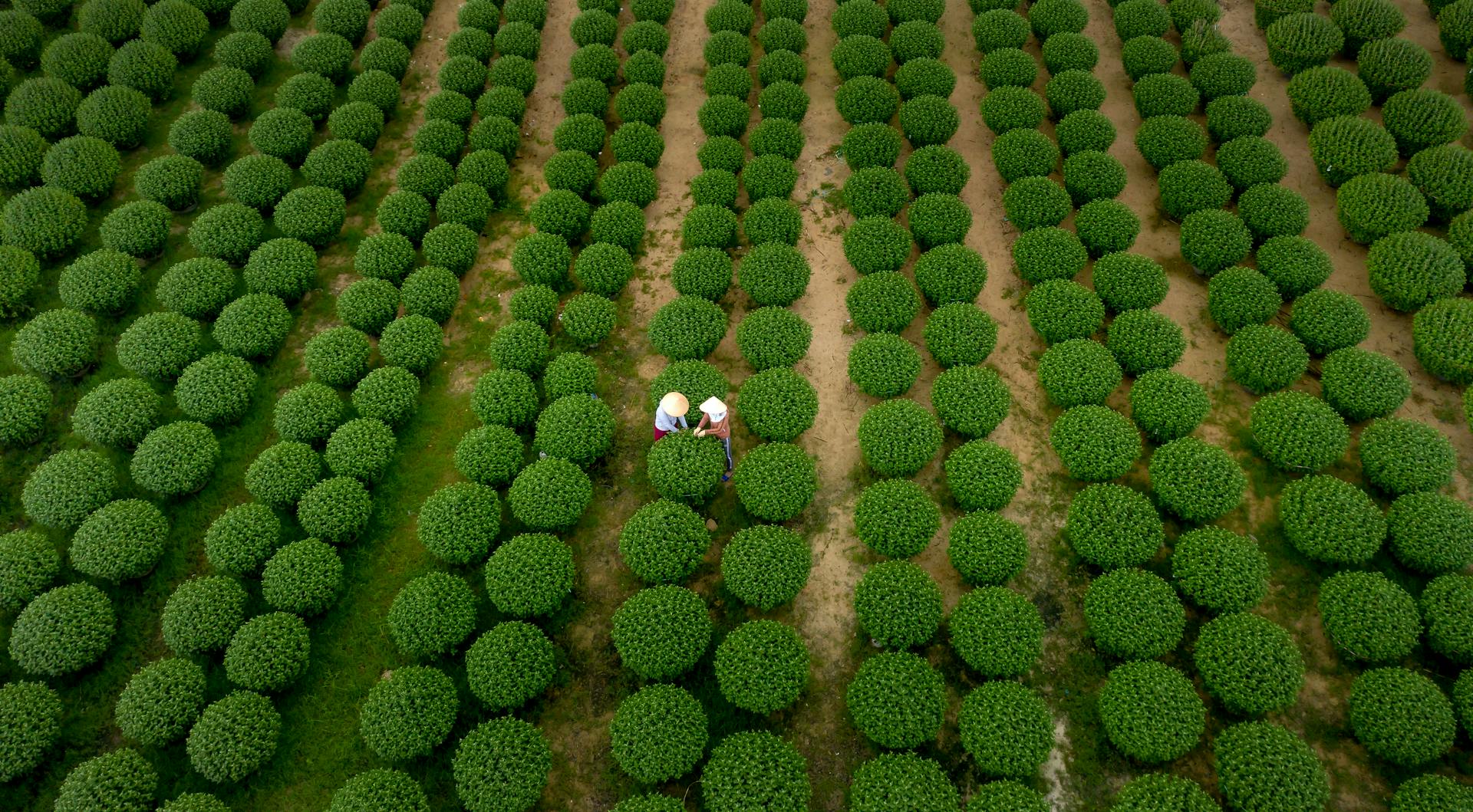
Behind every exceptional cup of coffee is a specific place — an elevation, a soil type, a family or estate that chose to grow something worth caring about. The Daisy Edition, the current Gatsby Reserve from The Roaring Bean, begins at Nicaragua La Bastilla Coffee Estates. This is not a generic origin story dressed up in marketing language. It is the account of a farm that earned its reputation through deliberate decisions at every stage of production — and the reason we chose it as the foundation for this season's reserve.
Where La Bastilla Is Located
La Bastilla Coffee Estates sits in the Jinotega department of Nicaragua — a region often called "the city of mists" for the low clouds that drift perpetually through its high-elevation valleys. That mist is not incidental atmosphere. It moderates temperature, reduces direct sun exposure, and extends the coffee cherry's ripening period in ways that translate directly into the cup.
The farm sits at approximately 1,100 to 1,500 meters above sea level. At that altitude, coffee cherries ripen slowly. Sugar accumulation is gradual rather than explosive, and the cell structure of the bean develops the kind of density and complexity that lower-elevation farms — where warmth accelerates everything — simply cannot replicate. Elevation is not a marketing badge. It is a legitimate flavor variable, and La Bastilla sits squarely in the range where the best Central American coffees are grown.
The surrounding Jinotega region produces roughly 40% of Nicaragua's total coffee output, making it the country's most respected growing zone. But La Bastilla is not an average operation within that zone. The scale of its investment in infrastructure and processing sets it apart from the cooperative and smallholder farms that make up the majority of regional production.
What Makes La Bastilla Different
La Bastilla is a Rainforest Alliance certified estate — a designation that requires demonstrable, auditable commitments to ecosystem preservation, fair worker treatment, and sustainable farming practices. Certification is not self-reported. It involves third-party verification, and maintaining it year over year reflects a genuine operational philosophy rather than a one-time marketing effort.
More practically, the estate operates its own wet mill, dry mill, and processing facilities entirely on-site. This level of vertical integration is rare in specialty coffee. It means the farm controls every stage from cherry to export-ready green bean without handing off to a third-party mill where precision and consistency can degrade. The team processing this coffee is the same team that grew it. That accountability shows in the cup.
It also means La Bastilla can experiment with processing methods — including honey process — with a precision that a cooperative model, where dozens of small farms contribute to a shared lot, cannot match. When you buy a La Bastilla coffee, you know exactly where every bean in the bag came from and exactly how it was handled.
The Honey Process at La Bastilla
The Daisy Edition is a honey process Nicaragua coffee, which means the outer cherry skin is removed at harvest but the sticky mucilage layer — the pulpy fruit material that clings to the bean — is deliberately left on during drying. For a full explanation of what honey processing does to flavor and how it compares to washed and natural methods, see our post on what honey process coffee actually means.
At La Bastilla, this process is executed with unusual care. The mucilage-coated beans are spread on raised drying beds — elevated off the ground to allow airflow from below — and turned multiple times daily. Consistent, attentive turning is critical: mucilage ferments if it dries unevenly, and fermented notes can overwhelm the clean fruit character that makes a well-handled honey process so compelling. The discipline of that daily work is what separates a beautifully clean honey process from a muddy one.
The result is that the natural fruit sugars from the cherry wall are preserved in the bean through the drying stage, and they carry forward into the roasted coffee. Those sugars are not added flavoring. They are the genuine residue of the cherry itself, locked into the bean's structure by a deliberate process choice.
The Daisy Edition in the Cup
Medium roast, whole bean — roasted specifically to highlight the farm's natural character rather than override it with roast intensity. A dark roast would bury the stone fruit and honey notes that make this coffee worth sourcing. The roast level here is a choice made in service of the origin, not in spite of it.
Tasting notes: stone fruit — plum and peach — leading into honey sweetness, with a caramel depth and a rounded body that finishes clean. There is no sharpness or astringency in a well-pulled shot. The sweetness is genuine, not syrupy. The body is present without heaviness.
No added flavoring. No syrups in the roasting process. The sweetness and fruit character you taste are the direct result of a specific farm, a specific processing method, and a careful roast. That is the point. The Daisy Edition is available now in whole bean bags, a 4oz sampler, and single-serve steep bags — this is the same coffee poured at every Roaring Bean event while it is in season.
Why We Chose La Bastilla
The Gatsby Reserve rotates each season to reflect the world's finest growing regions. Each selection requires an origin story worth telling — a farm or cooperative that made choices beyond the minimum, whose coffee carries a flavor profile that genuinely rewards attention. La Bastilla met that standard clearly.
Three things made it the right choice for the Daisy Edition. First, the Rainforest Alliance certification aligns with how The Roaring Bean operates as a company — built on integrity, veteran-owned, unwilling to cut corners where it matters. Sourcing from a certified estate is a values alignment, not just a label. Second, the honey process treatment produces the rounded, accessible sweetness that performs beautifully in two very different contexts: as a straight espresso pulled by a trained barista at an event, and as a home brew steeped in the kitchen on a Saturday morning. A coffee that works in both contexts is genuinely versatile, not a specialty curiosity that only shines under controlled conditions.
Third, the flavor profile itself. Stone fruit and honey are approachable enough for guests who do not consider themselves coffee drinkers — they register it as simply tasting good, which is the highest compliment an event coffee can earn. But the profile is complex enough for guests who do follow specialty coffee: there is something to pay attention to, something that rewards a second sip.
Great coffee should make you want to know where it came from. That is the entire point of the origin story.
When you order a bag of the Daisy Edition, you are not buying anonymous beans from an unnamed region. You are buying something with a specific address in Jinotega, a specific processing protocol, and a specific reason for tasting the way it does. That traceability is not a luxury add-on. It is what specialty coffee means.
If you want to experience what La Bastilla Coffee Estates produces, the Daisy Edition is available now. Browse whole bean bags, the 4oz sampler, and single-serve steep bags on the coffee page — ships free at $52 or more.