Specialty coffee menus are full of terms that go unexplained — "washed," "natural," "honey process." Of these, honey process is perhaps the most misunderstood, and the most rewarding to understand. Ask ten people what honey process coffee tastes like and you will get ten different guesses, most of them wrong. The word "honey" is doing real work in this name, but not in the way most people assume. If you have ever wondered what does honey process coffee taste like — and whether it is actually sweeter — this is the explanation you have been looking for. We will use The Roaring Bean's current Gatsby Reserve, the Daisy Edition — a honey process Nicaragua from La Bastilla Coffee Estates — as the through-line throughout, because understanding honey process in the abstract is far less useful than understanding it through a specific, exceptional cup.
What Is Honey Process Coffee?
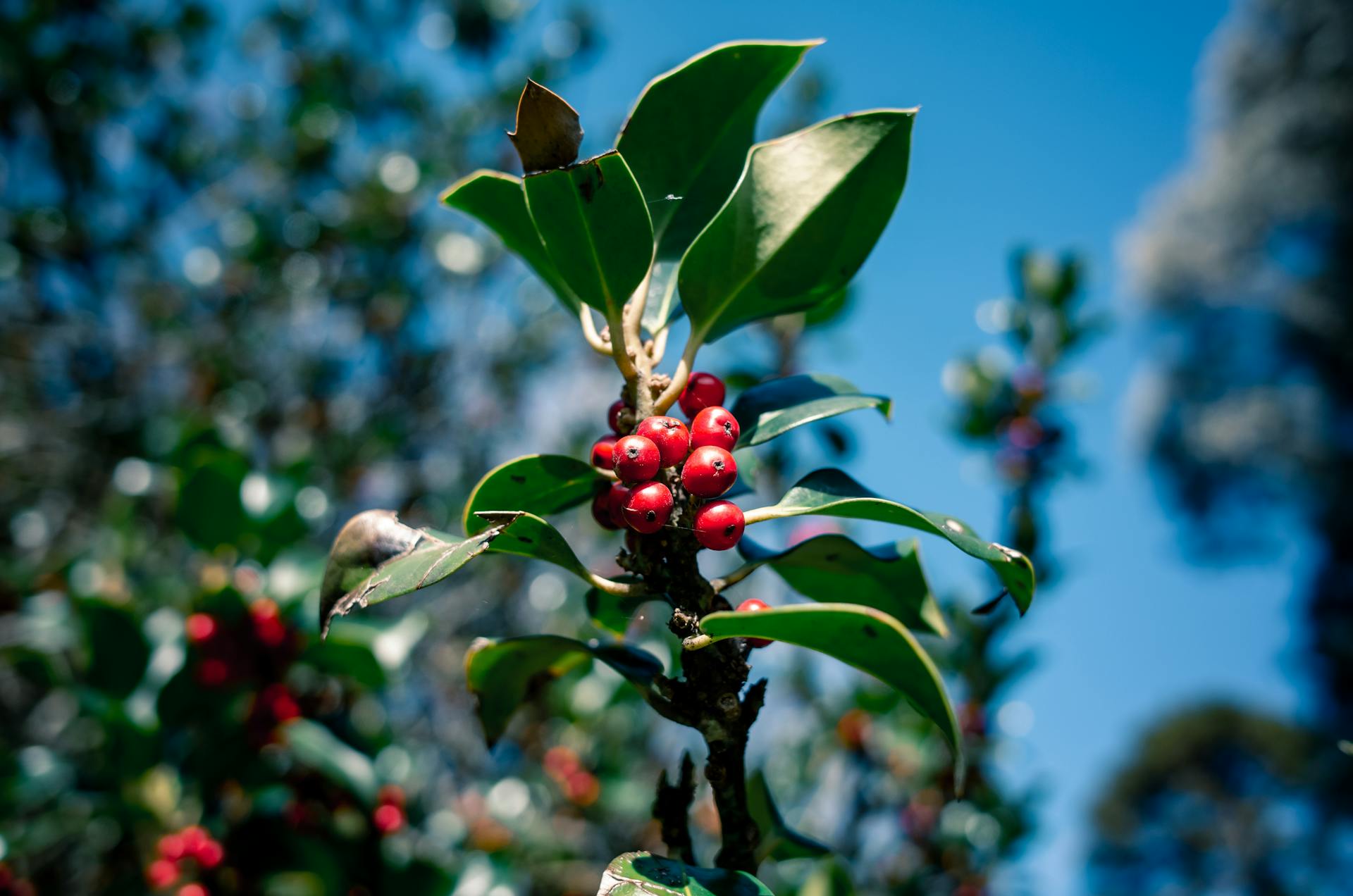
To understand honey process, you first need to understand what happens between the coffee cherry and the roasted bean. Every coffee bean starts life as the seed inside a small fruit — the coffee cherry. That cherry has several layers: an outer skin, a pulpy fruit layer, a sticky substance called mucilage, a parchment layer, and finally the green bean at the center. How those layers are removed — and how much is left on during drying — is what defines the processing method.
Honey process sits squarely between two better-known methods. In washed processing, the outer skin and all of the mucilage are stripped from the bean before it is dried — leaving only the parchment and the green bean. In natural processing, the entire cherry is dried intact, fruit and all, which creates bold, fruity, wine-like flavors but also significant variability. Honey process takes a middle path: the outer skin is removed, but some or all of the sticky mucilage is deliberately left on the bean as it dries.
That mucilage is golden and viscous — resembling raw honey in both color and consistency. The "honey" in the name refers to that appearance, not to any sweetener added during processing. No honey is involved. What you are tasting in a honey process cup is the natural character of the coffee cherry itself, concentrated and transferred into the bean during a carefully managed drying period.
Drying takes place on raised beds or patios, typically over two to six weeks. Farm workers turn the beans regularly — sometimes several times per day — to prevent uneven fermentation and ensure a consistent, even dry. The precision of that labor is what separates a well-executed honey process from a chaotic one. When done correctly, the result is a coffee that carries genuine fruit sweetness from the cherry into the final cup, without the funky, fermented notes that natural process coffees can sometimes produce.
Is Honey Process Coffee Sweeter Than Washed?
Yes — measurably so. The residual mucilage left on the bean during drying contains natural fruit sugars. As the bean dries over those weeks, those sugars are absorbed into the seed and carry through roasting into the cup. The effect is not imaginary or subtle. Side by side with the same farm's washed version of the same coffee, the honey process will consistently taste rounder, fuller, and sweeter — even at the same roast level.
Washed coffees have their own considerable strengths. They are clean, bright, and crisp. Because the fruit is stripped entirely before drying, a washed coffee expresses the bean's inherent terroir with exceptional clarity — you taste the soil, the altitude, the variety. The acidity in a washed coffee tends to be pronounced and well-defined. None of that is a flaw. But it is a different experience than what honey process delivers.
Honey process coffees trade some of that sharp clarity for body, warmth, and sweetness. The acidity is still present but softer and more integrated — it rounds at the edges rather than snapping. The body moves from light-to-medium toward medium-to-full. And the sweetness is natural, not cloying — reminiscent of stone fruit or caramel rather than added sugar.
That sweetness makes honey process particularly well-suited to espresso. The concentrated extraction of a double shot amplifies both brightness and sweetness simultaneously — and a honey process bean has more natural sweetness to amplify. For guests who typically reach for syrups and sweeteners, a honey process espresso can be a genuine revelation: richly sweet, with no additions required.
What Does Honey Process Coffee Taste Like?
The flavor profile of any honey process coffee will vary based on its origin, the exact amount of mucilage retained, and the roast level — but there are consistent characteristics that define the style:
- Body: medium to full, with a silky, rounded mouthfeel that coats the palate evenly
- Sweetness: natural and fruit-forward — stone fruit, dried fig, caramel, or brown sugar depending on origin and roast
- Acidity: present but soft, more integrated than a washed coffee, gentler on the palate
- Finish: clean and lingering, without the fermented or wine-like notes that characterize natural process coffees
The Daisy Edition — The Roaring Bean's current Gatsby Reserve from Nicaragua La Bastilla — expresses this profile with particular elegance. Stone fruit leads, with honey sweetness and caramel depth following through the finish. There is no bitterness, no artificial flavoring, nothing added. The complexity is entirely native to the bean and the processing method — the result of altitude, volcanic soil, and weeks of careful drying on raised beds at La Bastilla.
Honey process is what happens when a farm treats the cherry as an ingredient rather than something to be discarded. The fruit becomes part of the flavor — measured, intentional, and entirely natural.
Honey Process vs. Washed vs. Natural — What's the Difference?
Understanding honey process fully means placing it in context against the other two major methods. Each approach makes fundamentally different tradeoffs:
- Washed: Skin and mucilage are fully removed before drying. The cup is clean, bright, and terroir-forward. Acidity is pronounced and well-defined. This method rewards coffees with exceptional inherent character and is the dominant method in Ethiopia, Kenya, and Colombia.
- Honey process: Skin is removed, but sticky mucilage is partially or fully retained during drying. The cup is sweet, rounded, and fruit-forward — without the fermented intensity of a natural. Acidity softens; body increases. Widely used in Costa Rica, El Salvador, and Nicaragua.
- Natural process: The whole cherry is dried intact, fruit and all. The cup is bold, fruity, often jammy or wine-like. Sweetness is highest; complexity and variability are highest. When executed perfectly, naturals are extraordinary. When executed carelessly, they taste fermented and muddy.
For espresso service specifically, honey process occupies an unusually versatile position. It carries the approachable sweetness of a natural without the intensity that can overwhelm milk-based drinks. A honey process espresso holds its character beautifully in a latte or cortado, where a bold natural can sometimes overpower the milk entirely. For an event coffee bar where guests are ordering a wide range of drinks — from straight shots to oat milk lattes — honey process is the most consistently crowd-pleasing method of the three.
Why Nicaragua for Honey Process?
Nicaragua's Jinotega and Matagalpa regions have earned a devoted following among specialty coffee buyers for good reason. High altitude — many farms sit above 1,200 meters — combined with rich volcanic soil and consistent dry-season drying conditions create an environment where honey process coffees can reach their full potential. The beans develop slowly at altitude, building complexity and density. The drying conditions are reliable enough for farm workers to manage the mucilage carefully rather than racing against unpredictable weather.
La Bastilla Coffee Estates — the farm behind the Daisy Edition — has practiced honey processing with precision for years. The estate sits in the mountainous Jinotega department, at elevations that produce measurably denser, more complex beans than lowland farms. Their commitment to quality at every stage of production — from selective hand-picking of ripe cherries to meticulous drying management — is what makes the Daisy Edition possible.
The combination of Nicaraguan terroir and honey processing gives the Daisy Edition its characteristic profile: naturally sweet, stone fruit forward, with caramel working through the finish. There is nothing accidental about that cup. It is the product of geography, method, and farm-level discipline working together — and it is the reason this coffee earned its place as our current Gatsby Reserve.
How to Brew Honey Process Coffee at Home
Honey process coffees are forgiving across most brew methods, but certain approaches amplify their best qualities more than others:
- Espresso: The ideal method. Concentrated extraction amplifies both the sweetness and the stone fruit notes in ways that other methods simply cannot. If you have an espresso machine, this is where a honey process bean shines brightest.
- Pour-over or V60: Produces a clean, transparent cup that highlights the fruit sweetness without adding extra weight. The clarity of pour-over lets the natural honey and caramel notes come through precisely. A slightly longer steep time than you would use for a washed coffee rewards you with more body.
- French press: Rich and full-bodied — the full-immersion method deepens the caramel and honey notes and produces the most textured mouthfeel of any method. Excellent for those who prefer a heavier cup.
- Steep bags: The Daisy Edition steep bags are the most effortless way to experience honey process at home — no equipment, no grinder, no technique required. Hot water and two minutes. The flavor is genuinely surprising for a no-equipment brew.
One practical note: honey process coffees typically shine best with water temperatures slightly below boiling — around 93–96°C (200–205°F). This allows the fruit notes to express cleanly without pushing into harsh territory. If your previous experience with honey process coffees was disappointing, water temperature is often the first variable worth adjusting.
Closing Thoughts
Honey process coffee sits at a remarkable intersection — the approachability of a natural, the clarity of a washed, and a sweetness that needs nothing added to feel complete. It is a processing method that rewards both the farmer who executes it carefully and the drinker who takes the time to understand what they are tasting. Our seasonal reserve selection is built around exactly this kind of intentionality — coffees chosen because they have something genuine to offer, not because they are safe or familiar.
If you have not yet experienced a well-made honey process coffee, the Daisy Edition is the place to start. Shop the current Gatsby Reserve and taste what happens when a Nicaraguan farm, a precise processing method, and genuine care for quality all arrive in the same bag.