Short answer: yes — you can absolutely use a light or medium roast for espresso, and in most specialty coffee shops today, that's exactly what's in the hopper. The idea that espresso requires a dark, oily "espresso roast" is one of the most common misconceptions in home coffee. Once you understand why, a whole world of brighter, more expressive shots opens up.
Can you use a light or medium roast for espresso?
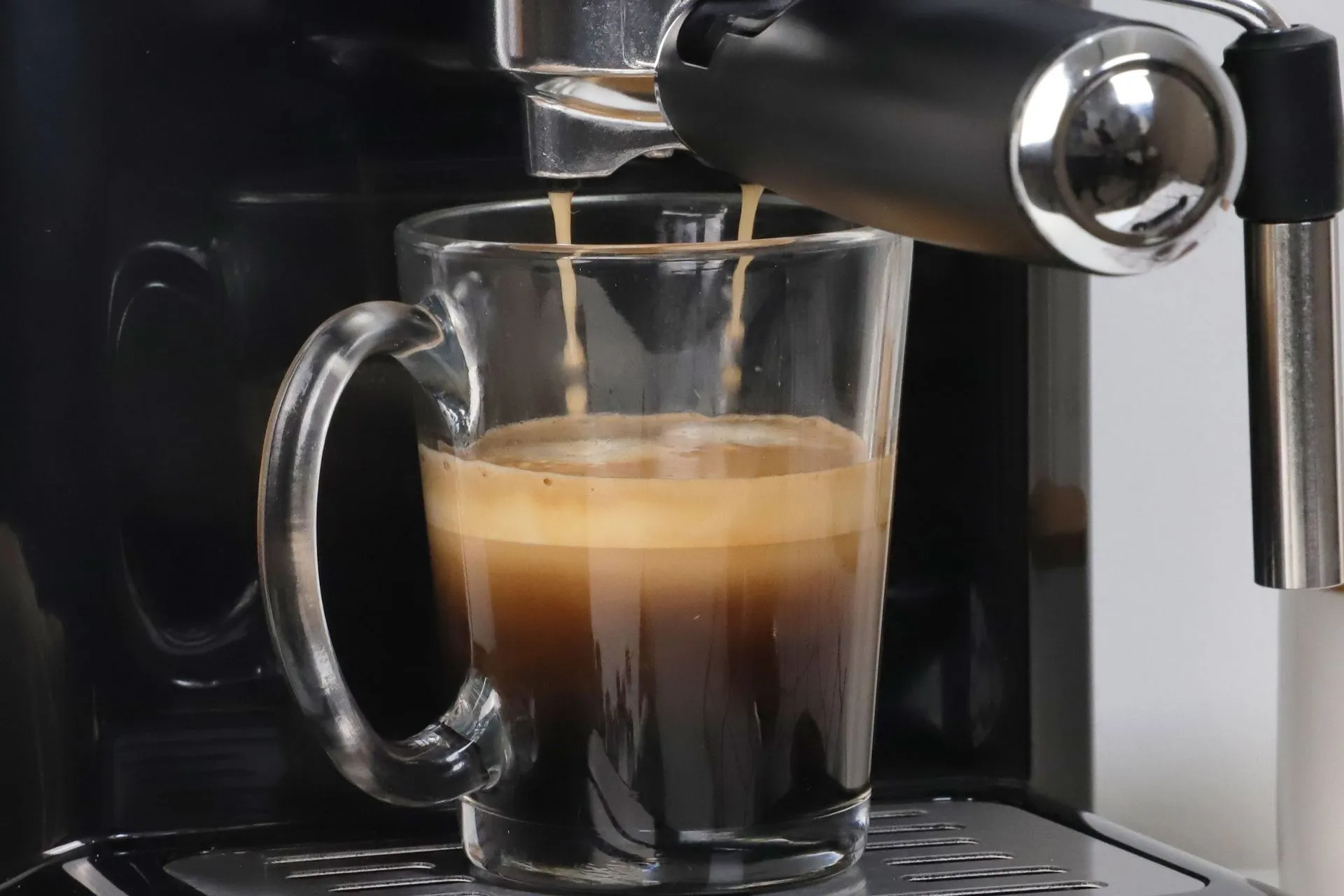
Yes. The key thing to understand is that espresso is a brewing method, not a roast level. Espresso simply means hot water forced through finely ground, tightly packed coffee under pressure — about nine bars of it. Any coffee, at any roast level, can be pulled as espresso. The label on the bag tells you how the beans were roasted; it doesn't decide whether they're "allowed" to become espresso.
Walk into a modern third-wave café and you'll usually find a medium or even light roast single-origin on the espresso machine. Roasters moved this direction because lighter roasting preserves the bean's origin character — the fruit, florals, and sweetness that darker roasting burns away in favor of generic "roasty" bitterness.
"Espresso roast" isn't a rule. It's a marketing convention from an era when dark, forgiving beans hid the flaws of older equipment. Great beans don't need hiding.
What is an "espresso roast," and do you need one?
An "espresso roast" is just a bean roasted dark — usually to the edge of second crack — and traditionally sold for espresso. You don't need one. Dark roasting became the espresso default decades ago because darker beans are more soluble and more forgiving: they extract easily, pull consistently on imperfect machines, and deliver that bold, bittersweet flavor a lot of people grew up associating with espresso.
None of that makes it a requirement. It's a style, not a spec. If you enjoy classic, punchy, low-acidity espresso, a dark roast is a fine choice. But if you want to taste where your coffee actually came from — the stone fruit, caramel, cherry, and florals a single-origin bean can offer — a light or medium roast will take you there. Curious how roast fits into the bigger picture? Our guide on how to choose specialty coffee beans breaks down origin, process, and roast together.
What does a medium roast taste like as espresso?
A medium roast is the sweet spot for espresso — balanced, sweet, and the most forgiving to dial in. You get enough solubility for a rich, syrupy shot with good crema, while keeping the origin flavors that darker roasting strips out. If you're moving away from dark roast for the first time, start here.
Our Gatsby Reserve — Daisy Edition is a great example. It's a Nicaragua La Bastilla, honey-processed, single-origin medium roast with notes of stone fruit and caramel. Pulled as espresso it's smooth and syrupy, with a natural sweetness that carries beautifully into a latte or cortado — no scorched-bitter edge, no need to bury it in sugar. It's forgiving enough for a home machine and expressive enough to drink black as a straight shot.
Can you pull a light roast as espresso?
Yes — and it's some of the most exciting espresso you can make at home. A light roast as espresso is bright, complex, and fruit-forward, closer to a concentrated pour-over than a traditional bold shot. It's also the most demanding: lighter roasts are denser and less soluble, so they take more precision to extract fully without tasting sour or thin.
Our The Green Light is a light roast with a bright, cherry-forward character. As espresso it's vivid and juicy — the kind of shot that surprises people who think they don't like light roast. It rewards a good grinder and a little patience. Which brings us to the how.
How to dial in a lighter roast for espresso
If your first light-roast shots taste sour, sharp, or watery, you're almost certainly under-extracting. Adjust in this order:
- Grind finer. This is the biggest lever. Light roasts need a noticeably finer grind than dark roasts to slow the water down and extract fully.
- Brew hotter. Bump your temperature to 200–205°F. The extra heat helps dissolve those dense, lightly roasted solids.
- Pull a longer ratio. Aim for roughly 1:2.5 to 1:3 — for example, 18g of coffee in, 45–54g of espresso out — to draw out more sweetness and body.
- Extend the pre-infusion. A few extra seconds of low-pressure wetting before the full pull evens out extraction and reduces channeling.
- Use fresh beans. Rest them 7–21 days off the roast date, and grind right before you brew. Freshness matters more with lighter roasts than almost anything else.
Light vs. medium vs. dark roast for espresso — which should you choose?
There's no single "best" roast for espresso — there's the best roast for the flavor you want. Here's the quick version:
- Medium roast — the best all-rounder. Balanced, sweet, rich crema, easy to dial in. Start here if you're unsure.
- Light roast — bright, fruity, and complex. The most rewarding and the most technical. Best with a quality grinder and a little practice.
- Dark roast — bold, bittersweet, low-acidity, very forgiving. The classic espresso profile if that's the taste you love.
Our philosophy leans toward light and medium single-origins because we'd rather you taste the farm than the roaster. That's the whole idea behind our seasonally curated reserve — coffee roasted to honor the bean, not to hide it.
The best light and medium roasts for espresso
You don't need a bag stamped "espresso" to make great espresso — you need fresh, well-roasted, single-origin coffee and a grinder you can adjust. As a small-batch roaster here in Tennessee, we roast in small quantities and ship fast, so the beans reach you close to their peak. Two easy places to start:
- Gatsby Reserve — Daisy Edition (medium): balanced, sweet, forgiving. Our recommendation for anyone new to non-dark espresso.
- The Green Light (light): bright and cherry-forward for when you want a shot with real complexity.
Both are available as whole bean — grab a bag from our shop and dial them in this weekend.
Does a light or medium roast have more caffeine as espresso?
Roast level has almost no meaningful effect on caffeine. Caffeine is remarkably stable during roasting, so a light and a dark roast of the same coffee contain nearly the same amount. By weight there's a tiny edge to lighter roasts — dark roasting burns off a sliver of mass and a trace of caffeine — but in a real shot the difference is negligible.
What actually determines the caffeine in your espresso is the dose and the number of shots, not the roast on the label. A standard double shot lands around 120–130 mg regardless of whether the beans are light, medium, or dark. So choose your roast for flavor — the caffeine will take care of itself.
Closing thoughts
"Espresso roast" is a style, not a requirement. Light and medium roasts don't just work as espresso — they're where some of the most flavorful, expressive shots come from. Grind fresh, dial with intention, and let the coffee taste like where it grew.
Want us to bring that same espresso — pulled live by a barista — to your wedding, corporate event, or celebration? Reach out for a custom quote. Packages start at $9 per guest across Nashville, Clarksville, and Middle Tennessee.